Introduction
In today’s fast-paced business environment, managing human resources efficiently is essential for organizational success. Companies need effective solutions to manage employee information, streamline administrative tasks, improve workforce productivity, and enhance the overall employee experience. This is where HRMS Globex comes into the picture.
HRMS, or Human Resource Management System, refers to software designed to simplify and automate HR-related processes. HRMS Globex can be explored as a concept for an integrated HR management platform that helps organizations manage their workforce more efficiently. By bringing essential HR functions into one centralized system, businesses can work toward improving accuracy, saving time, and making better workforce decisions.
In this blog post, we will explore the potential features, benefits, and importance of HRMS Globex in modern human resource management.
What Is HRMS Globex?
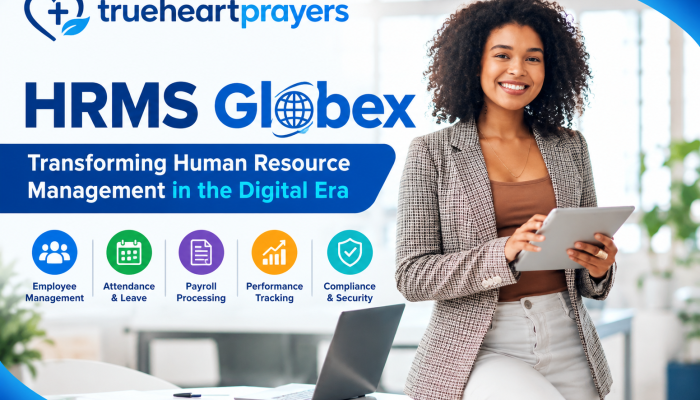
HRMS Globex is a name associated with the idea of digital human resource management. An HRMS platform typically combines multiple HR functions, including employee data management, attendance tracking, leave management, payroll administration, recruitment, and performance evaluation.
Instead of relying on manual paperwork, spreadsheets, and disconnected tools, an HRMS solution provides a centralized approach to managing employee-related information and processes.
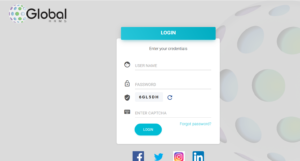
The exact features and capabilities of a specific HRMS Globex product should be confirmed through its official documentation. However, the following sections describe common HRMS capabilities that illustrate how such a platform can support modern organizations.
Key Features of HRMS Globex
1. Employee Information Management
Maintaining accurate employee records is one of the most important responsibilities of an HR department. An HRMS can centralize employee profiles, job details, department information, employment history, and other relevant records.
With centralized data management, HR professionals can reduce paperwork, retrieve information more quickly, and maintain more consistent employee records.
2. Attendance and Leave Management
Tracking employee attendance and managing leave requests can become challenging as an organization grows.
A typical HRMS can help automate attendance records, manage working hours, process leave applications, and maintain leave balances. Employees can submit requests digitally, while managers can review and approve them through a structured workflow.
These capabilities can reduce administrative delays and improve transparency across the organization.
3. Payroll Management
Payroll processing requires accuracy, consistency, and timely execution. Errors in salary calculations or deductions can negatively affect employee satisfaction and create additional work for HR and finance teams.
An HRMS may support payroll calculations, salary records, allowances, deductions, tax-related information, and payslip generation.
When payroll tools are properly configured and integrated with attendance and employee records, organizations can reduce repetitive data entry and improve payroll accuracy. Local tax rules and employment regulations must still be followed.
4. Recruitment and Onboarding
Recruiting the right employees is essential for business growth. HRMS platforms may include recruitment tools that help HR teams organize candidate information, track applications, schedule interviews, and manage hiring workflows.
After a candidate is selected, onboarding features can help coordinate document collection, employee registration, policy acknowledgments, and initial training.
A structured recruitment and onboarding process can create a more professional experience for new employees while helping HR teams manage hiring activities more effectively.
5. Performance Management
Employee performance plays an important role in organizational productivity. A typical HRMS may provide tools for setting goals, conducting performance reviews, recording feedback, and tracking development objectives.
These tools can help managers evaluate progress, identify skill gaps, and support employee growth.
When performance management is connected to training and development initiatives, organizations can build a more consistent approach to improving employee capabilities.
6. Employee Self-Service
Employee self-service is another useful capability offered by many modern HRMS platforms.
Through a self-service portal, employees may be able to:
- View and update permitted personal information.
- Apply for leave and check leave balances.
- Access payslips and employment documents.
- Review attendance records.
- Submit HR-related requests.
- View company policies and announcements.
This reduces the need for employees to contact HR for every routine request, allowing HR professionals to focus on more strategic responsibilities.
Benefits of Using HRMS Globex
Implementing an HRMS solution can offer several advantages when the system is selected and configured to meet an organization’s requirements.
Improved Operational Efficiency
Automation reduces repetitive administrative work, such as entering employee information, updating leave balances, and preparing routine reports. HR teams can spend less time on manual tasks and more time supporting business objectives.
Better Data Accuracy
A centralized HR system can reduce duplicate records and inconsistencies between departments. Standardized processes also help ensure that employee information is recorded and maintained more consistently.
Enhanced Employee Experience
Employees benefit from faster access to information, clearer workflows, and more convenient HR services. Self-service functionality can make routine activities easier and improve communication between employees and HR teams.
Stronger Decision-Making
HR reports and workforce analytics can help managers understand staffing levels, employee turnover, attendance patterns, recruitment performance, and other workforce indicators.
These insights can support better workforce planning and more informed business decisions.
Improved Data Security and Access Control
Employee records contain sensitive personal and employment information. A well-designed HRMS should provide appropriate access permissions, secure authentication, audit trails, and data protection measures.
Organizations should evaluate the security controls of any specific HRMS Globex implementation before storing confidential employee information.
Scalability for Growing Businesses
As a company expands, HR processes become more complex. A suitable HRMS can help standardize workflows and support additional employees, departments, and locations without requiring the same increase in manual administrative work.
Why HRMS Is Important for Modern Businesses
Traditional HR management methods often depend on paperwork, spreadsheets, emails, and separate software applications. Although these methods may work for smaller teams, they can become difficult to maintain as an organization grows.
Digital HR management helps businesses move toward more organized, accessible, and data-driven processes.
An HRMS can also support hybrid and remote work environments by allowing employees and managers to access authorized HR services from different locations. This flexibility is particularly valuable for organizations with distributed teams.
More importantly, HR technology enables HR departments to move beyond routine administration and contribute to employee engagement, workforce development, organizational culture, and long-term business planning.
How to Implement an HRMS Successfully
Choosing an HRMS is only the first step. Successful implementation requires careful planning and ongoing evaluation.
Here are some practical steps organizations can follow:
Step 1: Identify HR requirements.
Determine which processes need improvement, such as payroll, attendance, recruitment, or employee record management.
Step 2: Evaluate available features.
Compare the platform’s capabilities with your business needs. Confirm which features are available in the actual HRMS Globex product rather than assuming every standard HRMS function is included.
Step 3: Review security and compliance.
Assess data protection measures, access controls, backup procedures, and compliance with applicable employment and privacy requirements.
Step 4: Prepare and migrate employee data.
Clean existing records before transferring them into the new system. Validate important information to minimize errors.
Step 5: Train employees and managers.
Provide clear instructions, demonstrations, and support to encourage adoption across the organization.
Step 6: Monitor performance.
Evaluate results using measurable indicators such as payroll error rates, leave-processing time, employee adoption, and HR administrative workload.
A gradual rollout, supported by employee feedback and regular system reviews, can help organizations achieve better results.
Challenges to Consider Before Adopting HRMS Globex
Although HRMS solutions can improve efficiency, organizations should consider several potential challenges before implementation.
- Implementation costs: Software subscriptions, configuration, training, and integration may require an initial investment.
- Data migration: Incomplete or inaccurate employee records can create problems during implementation.
- Employee adoption: Employees may need time and training to become comfortable with new digital workflows.
- Integration requirements: The system may need to connect with accounting software, biometric attendance devices, or other business applications.
- Data privacy: Organizations must ensure that confidential employee information is protected.
- Vendor support: Availability of technical assistance, product updates, and reliable documentation should be assessed.
Careful planning and vendor evaluation can help reduce these risks.
HRMS Globex and the Future of HR Technology
The future of human resource management is increasingly connected to automation, analytics, and artificial intelligence.
Modern HR platforms are incorporating capabilities such as automated workflows, predictive workforce analytics, intelligent recruitment assistance, and personalized employee services.
These technologies may help HR teams identify workforce trends, reduce repetitive tasks, and deliver more responsive employee support.
For HRMS Globex specifically, the availability of such capabilities would depend on the actual product and its development roadmap. Organizations should verify current features before making purchasing or implementation decisions.
Regardless of the technology used, successful digital HR management depends on combining suitable software with effective policies, responsible data handling, and a people-centered approach.
Conclusion
HRMS Globex represents an opportunity to explore how digital HR management can improve the way organizations manage employees and workforce processes. An effective HRMS can simplify employee record management, streamline attendance and leave administration, support payroll operations, improve recruitment workflows, and provide useful workforce insights.
However, the real value of any HRMS depends on its actual capabilities, security standards, ease of use, and suitability for the organization adopting it.
(FAQs) About HRMS Globex
1. What is HRMS Globex?
HRMS Globex refers to a human resource management system or platform intended to support HR-related activities. Its specific features should be verified through official product documentation.
2. What are the main features of HRMS Globex?
Typical HRMS features may include employee information management, attendance tracking, leave management, payroll administration, recruitment, performance management, and employee self-service.
3. How does HRMS Globex help businesses?
An HRMS can help businesses reduce manual paperwork, streamline HR processes, improve data accuracy, and organize employee information in one centralized system.
4. Can HRMS Globex manage employee attendance?
Attendance management is a common HRMS capability. Depending on the platform, it may include working-hour records, attendance reports, and integration with biometric devices.
Also Read: SFM Compile: A Complete Guide to Understanding Its Features, Uses, and Benefits
5. Does HRMS Globex support payroll management?
Many HRMS platforms offer payroll-related features, such as salary calculations, allowances, deductions, and payslip generation. The availability of these features in HRMS Globex should be confirmed with the provider.
6. Is HRMS Globex suitable for small businesses?
An HRMS can benefit small businesses by simplifying employee recordkeeping and automating routine HR tasks. Suitability depends on the platform’s pricing, features, and scalability.
7. Can employees access their HR information online?
Some HRMS platforms provide employee self-service portals that allow authorized users to view payslips, check leave balances, submit leave requests, and update permitted personal information.
8. Is HRMS Globex secure?
Security depends on the specific platform and its configuration. Businesses should review authentication methods, access permissions, encryption, backup procedures, and data privacy policies before using the system.
9. How can a company implement HRMS Globex?
Implementation generally involves identifying HR requirements, evaluating software features, preparing employee records, migrating data, training users, and monitoring system performance.
10. Can HRMS Globex improve employee productivity?
An effective HRMS can improve productivity by reducing repetitive administrative tasks, simplifying employee requests, and helping HR teams access accurate workforce information.
11. What should businesses consider before choosing HRMS Globex?
Businesses should evaluate available features, pricing, ease of use, integration options, data security, customer support, and compliance with applicable employment regulations.
12. What is the future of HRMS Globex?
The future of HR management technology may include greater automation, AI-assisted workflows, workforce analytics, and personalized employee services. The availability of these capabilities in HRMS Globex depends on the actual product and its development roadmap.